
Marinating meat is an essential technique in Chinese cooking. It is used in stir fries, deep fried dishes, steamed dishes, and braised recipes. The marinade is usually simple, but it plays an important role in both flavor and texture.
Unlike many Western marinades that rely heavily on acidic ingredients, Chinese marinades focus on seasoning the meat while protecting it from the intense heat of wok cooking. The right marinade keeps the meat tender, juicy, and full of flavor.
Once we understand the basic principles, we can apply the technique to chicken, pork, beef, or seafood and achieve the same smooth, tender texture that we often find in Chinese restaurants.
Content
Note: Click any item to jump straight to that part of the post.
- The Three Goals of Marinating in Chinese Cooking
- The Basic Chinese Marinade Formula
- Key Marinade Ingredients Explained
- Velveting: The Secret to Tender Stir Fried Meat
- How to Marinate Different Types of Meat
- How Long Should You Marinate Meat?
- Common Mistakes When Marinating Meat
Note: This post may contain affiliate links. Please read my privacy policy for more info. I may receive commissions for purchases made through links in this post. As an Amazon Associate, I earn from qualifying purchases.
The Three Goals of Marinating in Chinese Cooking
Marinating meat in Chinese cooking serves several purposes.
1. Seasoning the meat
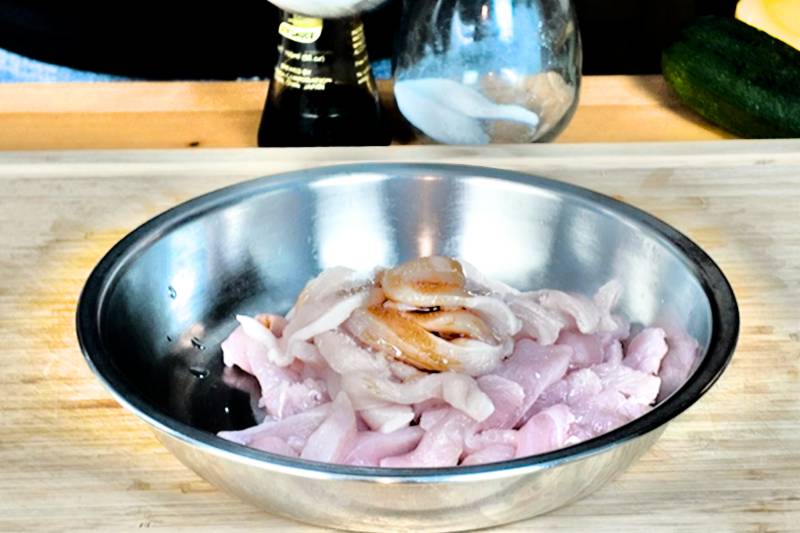
The first goal of marinating is to add flavor directly to the meat. Thinly sliced meat cooks very quickly in a wok, so it often does not have enough time to absorb flavor during cooking.
Adding ingredients like soy sauce, Shaoxing wine, salt, or oyster sauce allows the meat to be seasoned before it hits the pan. This small step makes a noticeable difference in the final dish.
2. Tenderizing the meat
Several ingredients commonly used in stir-fry marinades can help improve the texture of meat. Salt, soy sauce, Shaoxing wine, and baking soda each work in slightly different ways to make the meat more tender and juicy.
- Salt helps the meat retain moisture. When salt is added, it first draws out a little liquid from the meat to the surface. This liquid dissolves the salt and is then reabsorbed into the meat. As the salt moves into the meat, it interacts with proteins such as Myosin. This loosens the protein structure slightly and helps the meat hold more water during cooking, resulting in juicier and more tender meat.
- Soy sauce, especially light soy sauce, works in a similar way because it contains salt. Besides helping with tenderness, it also adds a rich, savory flavor from fermented soybeans.
- Shaoxing wine mainly improves flavor and aroma. Chinese wine helps reduce unwanted meat odors and allows the marinade to coat the meat more evenly. Its tenderizing effect is mild, but it enhances the overall result.
- Baking soda (Sodium bicarbonate) works differently. It raises the pH level on the surface of the meat, which prevents the proteins from tightening too much during cooking. This helps the meat stay softer and more tender.
When used together in a marinade, these ingredients help the meat stay moist, tender, and flavorful, which is why they are commonly used in Chinese stir-fry dishes.
3. Protecting the meat during high heat cooking
Chinese stir fry cooking uses very high heat. If raw meat is placed directly into a hot wok, the muscle fibers can tighten quickly, and the meat will turn tough.
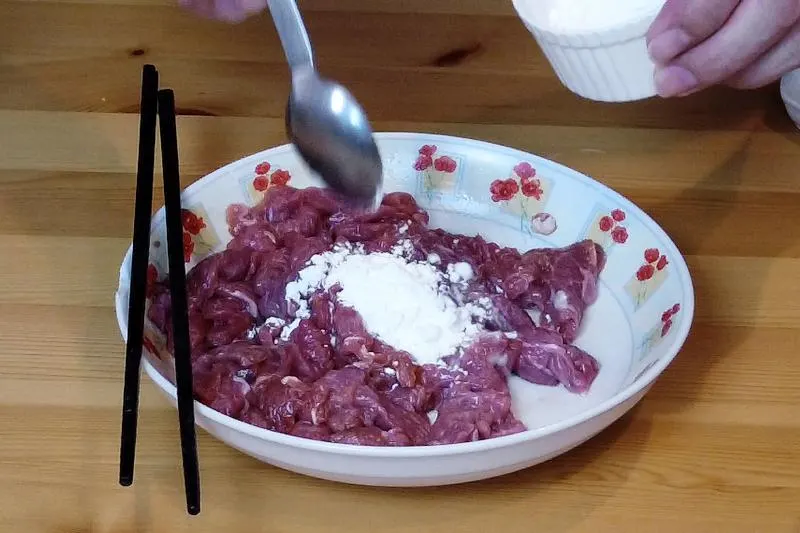
To prevent this, many Chinese marinades contain starch, usually cornstarch, tapioca, or potato starch. When heated, the starch forms a thin protective coating around the meat that protects the meat from the direct heat, which helps retain moisture and prevents the meat from drying out.
The Basic Chinese Marinade Formula
Most Chinese stir fry marinades follow a simple formula. Once you understand the balance of ingredients, it becomes easy to adapt it to many different dishes.
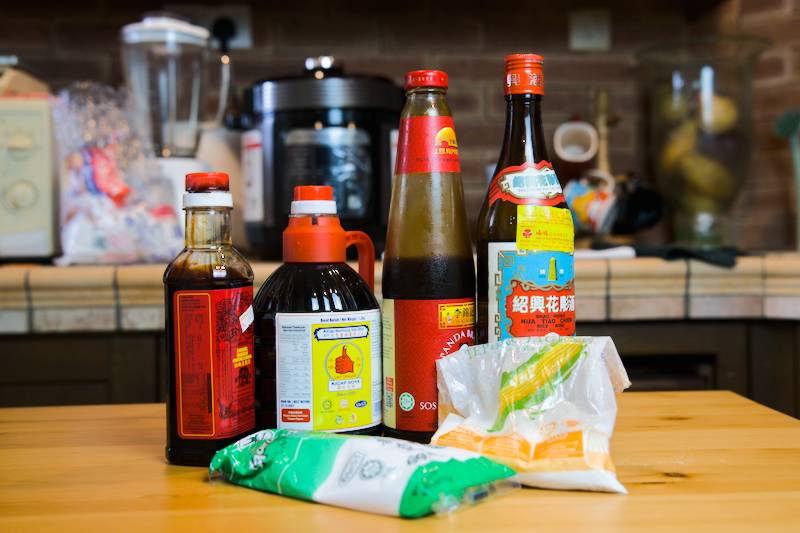
A typical marinade may include light soy sauce, Shaoxing wine, cornstarch, oil, white pepper, and a small amount of sugar and salt. Each ingredient has a specific purpose.
Soy sauce provides saltiness and umami flavor. Shaoxing wine adds aroma and helps remove any raw meat smell. Cornstarch creates a protective coating that locks in moisture. Oil helps separate the pieces of meat and prevents sticking during cooking.
Together, these ingredients create a thin coating around the meat that protects it during stir frying.
Key Marinade Ingredients Explained
Understanding how each ingredient works will help you create better marinades.
Soy sauce
Soy sauce is the most common seasoning used in Chinese marinades.
- Light soy sauce provides saltiness and enhances the savory flavor of the meat.
- Dark soy sauce is sometimes added in small quantities to give the meat a darker color.
Shaoxing wine
Shaoxing wine is a Chinese rice wine that adds fragrance to the marinade. It also helps reduce the strong odor of raw meat and contributes a subtle depth of flavor. If Shaoxing wine is not available, dry sherry is often used as a substitute.
Cornstarch
Cornstarch plays a crucial role in Chinese marinades.
When heated, cornstarch gelatinizes and forms a thin coating on the meat. This coating acts as a barrier that helps the meat retain moisture and prevents it from becoming dry during high heat cooking. The coating also helps sauces cling to the meat more effectively.
Oil
Adding a small amount of oil to the marinade helps keep the pieces of meat separate. This makes it easier to stir fry the meat evenly in the wok.
The oil also contributes to the silky texture that is characteristic of many Chinese dishes.
Egg white
Some marinades include egg white, especially in restaurant style cooking. Egg white coagulates when heated and forms an additional protective layer around the meat. This works together with the starch coating to produce a smooth, velvety texture.
Sesame oil
Sesame oil is mainly added to a Chinese marinade for its rich, nutty aroma. It helps coat the meat and distribute the seasonings more evenly. Although it does not tenderize the meat, a small amount enhances the overall flavor and fragrance of the dish.
Velveting: The Secret to Tender Stir Fried Meat
One of the most important techniques in Chinese cooking is called velveting.
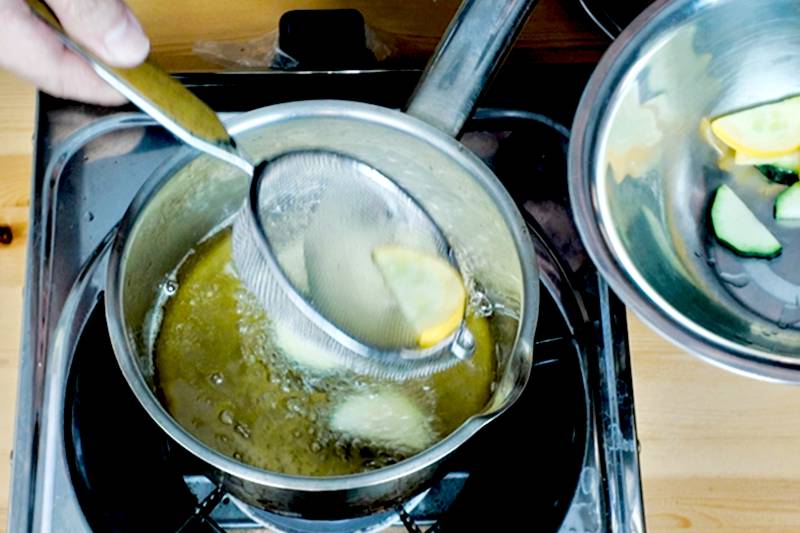
Velveting is a process where meat is marinated with starch and sometimes egg white, then briefly pre cooked before the final stir fry. The coating protects the meat from intense heat and keeps it tender.
Professional Chinese kitchens use this method to ensure that meat remains juicy and smooth even when cooked quickly over very high heat.
A typical velveting marinade may include cornstarch, egg white (optional), soy sauce, Shaoxing wine, salt, sugar, and oil.
After marinating, the meat is usually pre cooked by briefly blanching it in hot oil or boiling water before being cooked with other ingredients. This step helps the meat maintain its delicate texture.
How to Marinate Different Types of Meat
Different meats require slightly different approaches.
Chicken
- Chicken breast can dry out easily during stir frying. A marinade with cornstarch and oil helps protect the meat and keeps it moist.
- Chicken usually requires about 20 to 30 minutes of marinating.
Beef
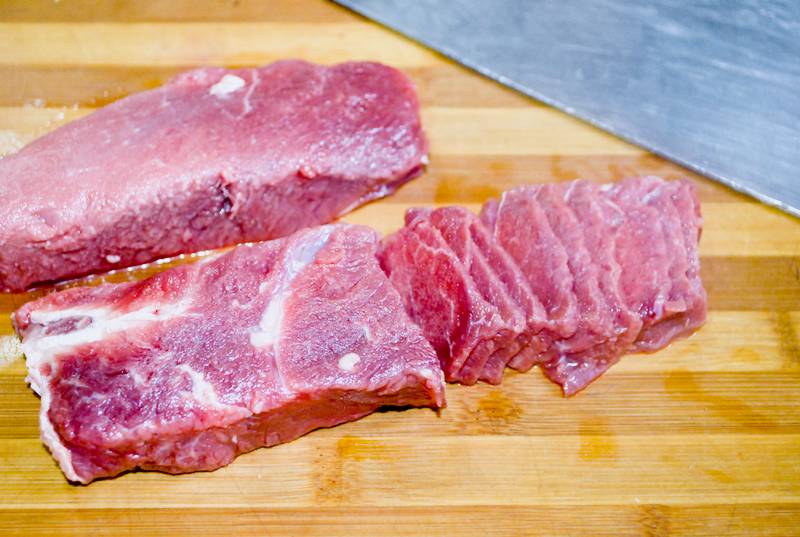
- Beef is often sliced thinly across the grain before marinating. This shortens the muscle fibers and improves tenderness.
- For tougher cuts of beef, a small amount of baking soda may be added to the marinade to further tenderize the meat.
Note: We have a full article that explains how to tenderize beef in detail. You can read it here.
Pork
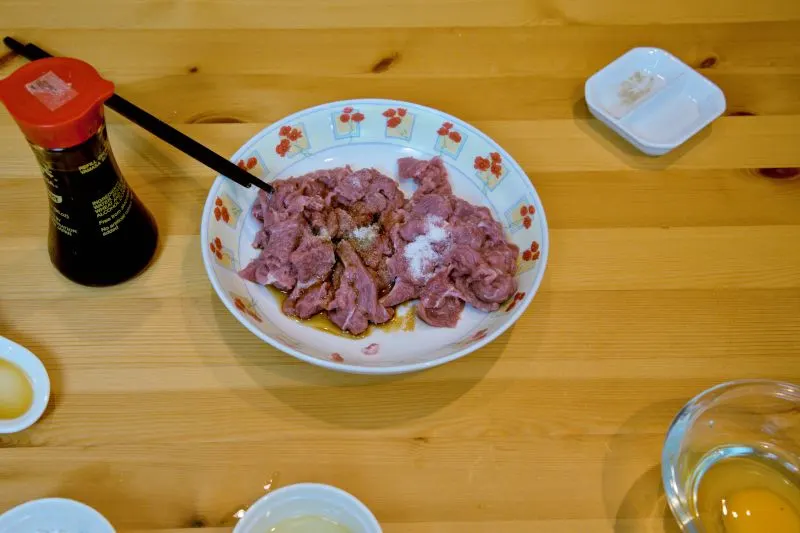
- Pork is naturally tender and usually requires only a simple marinade of soy sauce, wine, and cornstarch. It is commonly used in stir fries, braised dishes, and deep fried preparations.
Seafood
- Seafood requires very little marinating time. In many cases, only a light seasoning and a small amount of starch are used. Overmarinating seafood can affect its delicate texture.
How Long Should You Marinate Meat?
In most Chinese recipes, marinating does not take very long because the meat is usually cut into small pieces.
| Meat | Typical Marinating Time |
| Seafood | 10–15 minutes |
| Chicken slices | 20–30 minutes |
| Beef slices | 20–30 minutes |
| Pork slices | 20–30 minutes |
Note: Large chunks of meat can be marinated for half a day or overnight for braising, not stir fry.
Common Mistakes When Marinating Meat
Even a simple marinade can go wrong if the balance of ingredients is not correct. Here are a few common mistakes.
- Adding too much soy sauce can make the meat overly salty and may cause excessive moisture in the wok.
- Using too much cornstarch can create a thick coating that interferes with stir frying.
- Marinating with strong acids for too long can break down the meat proteins too much and result in a mushy texture.
- Another common mistake is adding minced garlic to the marinade for stir fried dishes. Garlic burns quickly in a hot wok and can give the dish a bitter flavor.
Time to Marinate!
Marinating meat is a foundational technique in Chinese cooking. While the process is simple, it makes a huge difference in achieving the tender, flavorful texture that gives classic dishes their signature appeal.
By understanding the purpose of each ingredient and the techniques behind velveting and tenderizing, you can easily adjust the marinade for different types of meat and cooking methods.
Now it’s your turn. Grab your wok and start marinating!
Shirley
Tuesday 17th of March 2026
Excellent recipes and guide marinating meat. Thank you
Chicken biryani recipe - how to cook the best rice dish in the world
Thursday 30th of March 2017
[…] ingredients of the marinade differ slightly from different region and countries. However, there is similarity among all the […]
Pandan Leaf Chicken- Easy Thai Recipe
Friday 8th of July 2016
[…] Marinate the chicken. The marinade provides a slightly spicy and earthy flavor, while the pandan leaves impart the delicate, inviting aroma to the chicken. […]
Chicken Adobo Recipe
Sunday 15th of May 2016
[…] liked it enough to name it and write about it. The name they chose, adobo, basically means marinade. However, this form of marinating is quite different from traditional Spanish […]
Easy Asian Recipes- How to Cook Eggplants and Tofu Dishes
Monday 9th of May 2016
[…] the dining table within 30 minutes. I also think that passive cooking time should not be included. Marinating may require more than an hour or even overnight but there is nothing to be done after placing it in […]