
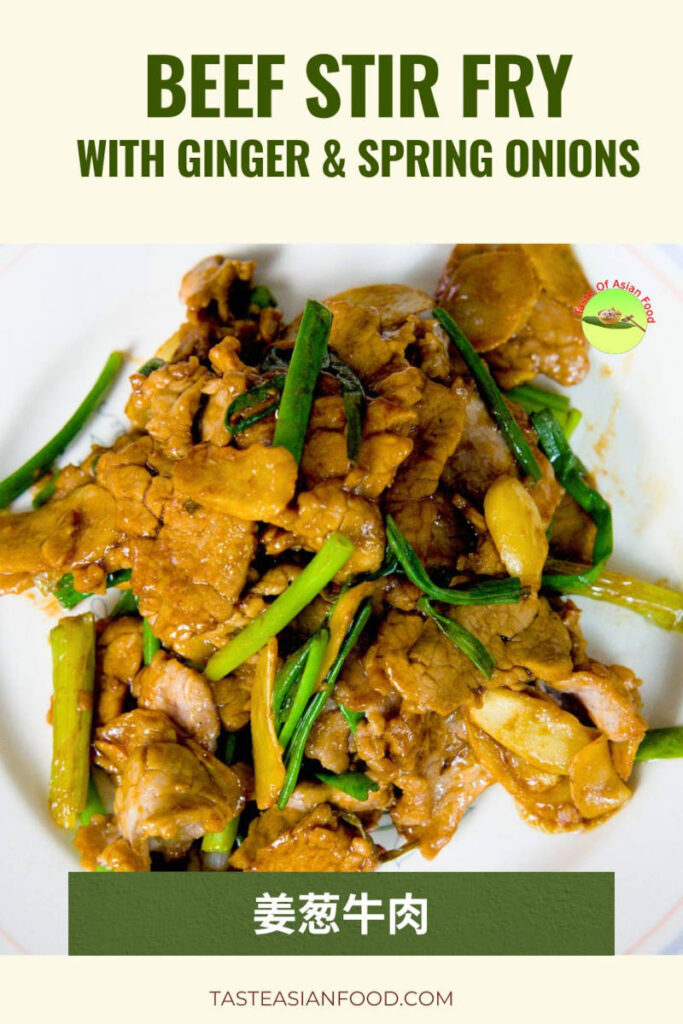
Beef stir fry with ginger and spring onion is a classic Chinese dish that uses just a handful of ingredients. I like it because it comes together quickly in a hot wok, and the aroma is incredible.
But that simplicity also means you need to pay attention to the details to get it right. The beef can turn tough very easily. The sauce can taste flat. And it can be frustrating when the result does not come close to what you have enjoyed in a good Chinese restaurant. If you have tried making this at home before, you probably know exactly what I mean.
In this article, I go deeper into the details that make a difference. How to keep the beef tender and juicy. How fresh ginger and spring onion work together to create an aromatic and balanced flavor. And how a Cantonese-style sauce should be light, just enough to season the dish while letting the natural taste and texture of the beef stand out.
We will also look at the key steps that really matter. How to slice the beef properly. How to marinate it. How hot should your pan be when the beef goes in. When you get these details right, this simple dish becomes something you will want to cook again and again.
Content
Note: Click any item to jump straight to that part of the post.
Note: This post may contain affiliate links. Please read my privacy policy for more info. I may receive commissions for purchases made through links in this post. As an Amazon Associate, I earn from qualifying purchases.
Why This Recipe Works
This ginger beef recipe works because it focuses on a few essential principles:
- Thin slices of beef ensure quick cooking and tenderness
- A simple marinade helps velvet beef and retains moisture
- Cooking over high heat creates wok aroma and depth of flavor
- A light bowl of sauce made primarily with oyster sauce and light soy sauce enhances the natural taste
The result is juicy, flavorful beef slices with a silky texture.
The Main Ingredients That Make This Recipe Work
There are four groups of ingredients. Each one has its role, and together they come together to create a beef dish that is tender and full of flavor.
1. Beef
Tenderloin is the best choice because it is tender and juicy. That said, it can be quite expensive. If you prefer a more affordable cut like flank, you can tenderize it first using the method I explain in my article, How to Tenderize Beef.
Whichever cut you choose, slicing the beef thinly and against the grain will help keep every bite tender.
2. Ginger and Spring Onion
Ginger and spring onion, also known as scallions, form the aromatic backbone of this dish. They pair really well with beef, and are also widely used with chicken and pork in Chinese cooking. Ginger brings warmth and a slight sharpness, while spring onion adds a lighter, fresher note.
You can be quite generous with both. It is hard to overdo them, so feel free to add a little more than what the recipe suggests if you enjoy the aroma.
As for garlic, even though it is commonly used in many dishes, it is usually left out here, as ginger and spring onion already provide all the flavor this dish needs.
3. Seasoning
The seasoning in this recipe is simple. The primary ingredients are light soy sauce and oyster sauce, which give the dish its savory depth. A little sugar is added to balance the saltiness and acidity of the soy sauce, and you can include a touch of dark soy sauce if you prefer a deeper color in the stir-fry. Some cooks also like to add Shaoxing wine for extra aroma.
This combination creates a classic Cantonese flavor that works well in many stir-fried dishes.
4. Starch
The final key element is starch, which coats the meat and helps keep it tender during cooking. Cornstarch is the most commonly used, but tapioca or potato starch works just as well.
This coating is part of the velveting process, which gives the beef its smooth, tender texture. For more details on marinating and coating meat, see my article How to Marinate Meat.
How to Make Beef Stir Fry with Ginger and Spring Onion
Follow the steps below, and your beef will turn out tender and flavorful. For a simplified version of the steps, you can refer to the recipe card at the end of this article, which is printable.
1. Prepare and marinate the beef
- Start by slicing the beef into thin strips across the grain. This is an important step because cutting across the grain shortens the protein fibers, which makes the beef much more tender.
- Once sliced, transfer the beef to a mixing bowl and add the marinade. Add light soy sauce, Shaoxing wine, ground white pepper, sugar to balance the saltiness, cornstarch, and salt.
- Mix everything well until the beef is evenly coated. As the final step, add one tablespoon of cooking oil and rub it through the beef. This helps to seal in the marinade and also prevents the beef slices from sticking to each other during cooking.
Tip: If you find the beef too soft to slice neatly, place it in the freezer for about 20 to 30 minutes, or until it is slightly firm but not completely frozen. It becomes much easier to cut into thin slices at this stage.
2. Prepare the aromatics
While the beef is marinating, prepare the other ingredients.
- Slice the fresh ginger thinly. It is important to keep the slices thin rather than thick, as this helps the ginger release its flavor more effectively during cooking.
- Next, take two to three stalks of green onion (spring onion/scallion). Separate the white part from the green part, then cut them crosswise into sections about two inches or four to five centimeters long.
3. Cook the ginger and spring onions
Once everything is ready, begin cooking.
- Add some oil to a pan, preferably a cast-iron wok, a nonstick wok, or a large skillet. When the oil is heated, add the ginger slices together with the white section of the green onion.
- Stir fry them over low to medium heat for about two to three minutes until they become aromatic. When the ginger slices start to turn slightly brown, that is a good indication that they are ready.
- Remove the ginger and the white section of the green onion from the wok, leaving the remaining oil behind.
4. Sear the beef
- Add a little more oil to the pan if needed. Heat the oil until it is hot enough to sizzle the beef immediately when added.
- Place the beef into the pan and spread it out into a single layer to maximize contact with the surface. Let it sear on one side until it turns lightly brown, then turn it over and do the same on the other side.
- Do not overcrowd the pan. If your pan is too small, cook the beef in batches. Once done, proceed to the next step.
Note: This is a quick process. The goal is to brown the surface quickly without drying out the beef. That is why high heat is important, as it allows you to cook the beef in a short time while keeping it tender.
5. Combine everything and add the sauce
- Return the cooked ginger and the white section of the scallion to the wok, along with the green section of the spring onion. Mix them with the beef.
- Prepare the seasoning sauce by combining the oyster sauce, light soy sauce, sugar, dark soy sauce, and water. You can mix the sauce in advance or add the ingredients directly into the pan if you are confident doing so.
- Turn the heat to high and stir everything together. The water will react with the starch in the marinade to form a slightly thickened sauce that coats the beef.
6. Serve immediately
- Once the sauce has coated the beef and everything is well combined, transfer it immediately to a serving plate. Do not leave it in the pan, as the residual heat can overcook the beef.
- Serve it with steamed rice and enjoy this glossy, flavorful beef stir fry with ginger and spring onion.
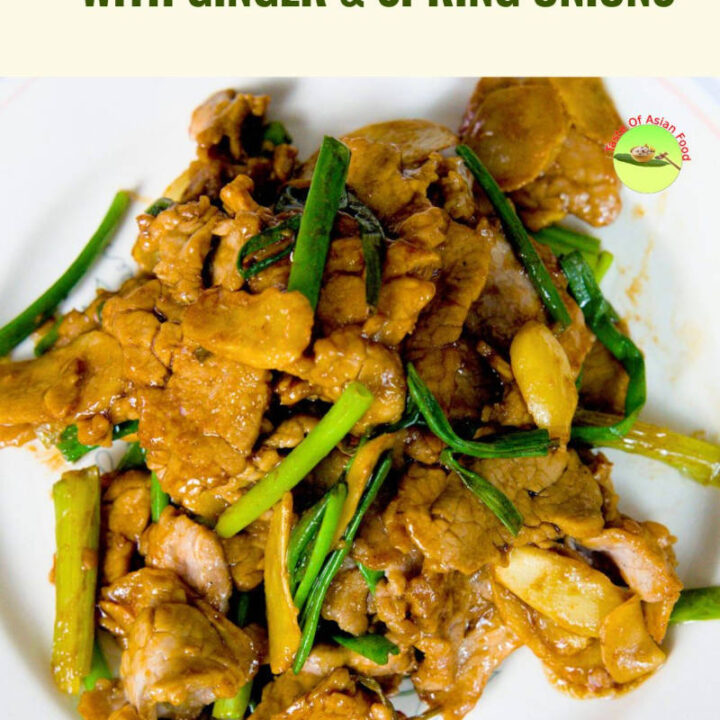
Beef Stir Fry with Ginger and Spring Onions
This beef stir fry with ginger and spring onion is simple, flavorful, and easy to make. Tender beef and a light sauce, ready in minutes.
Ingredients
Beef and Marinade
- 250 g beef, sliced into thin strips across the grain
- 1 tbsp light soy sauce
- 1 tbsp Shaoxing wine
- 1/8 tsp ground white pepper
- 1/4 tsp sugar
- 1 tbsp cornstarch
- 1/8 tsp salt
- 1 tbsp cooking oil
Aromatics
- 1.5 inch fresh ginger, thinly sliced
- 2 to 3 stalks spring onion, cut into 2-inch sections, white and green parts separated
Seasoning Sauce
- 1 tbsp oyster sauce
- 1 tbsp light soy sauce
- 1/2 tsp sugar, optional
- 1/4 tsp dark soy sauce
- 2 tbsp water
Cooking Oil
- 2 to 3 tbsp oil for stir-frying
Instructions
- Slice the beef thinly across the grain.
- Marinate with soy sauce, Shaoxing wine, white pepper, sugar, cornstarch, salt, and oil. Let it rest for 15 minutes.
- Slice the ginger and cut the spring onion into sections. Separate white and green parts.
- Heat oil in a wok or pan. Stir fry ginger and the white parts of the spring onion until aromatic. Remove and set aside.
- Add more oil if needed. Sear the beef over high heat in a single layer until browned on both sides. Do not overcrowd the pan.
- Return the ginger and spring onion to the wok. Add the green parts of the sprng onions.
- Add oyster sauce, soy sauce, sugar, dark soy sauce, and water. Stir quickly to coat the beef.
- Once the sauce thickens and coats the beef, remove it immediately and serve it hot with rice.
Recommended Products
As an Amazon Associate and member of other affiliate programs, I earn from qualifying purchases.
-
 SENSARTE Nonstick Skillet, Deep Frying Pan 10/11/12-inch, Saute Pan with Lid, Stay-cool Handle, Healthy Stone Cookware Cooking Pan, Induction Compatible (10-Inch/3.5QT)
 -
 TBWHL Skimmer Slotted Spoon, Heavy Duty 304 Stainless Steel Slotted Spoon with Vacuum Ergonomic Handle, Comfortable Grip Design Strainer Ladle for Kitchen, 14.96 Inches
 -
 Pre-Seasshioned Cast Iron Skillet 2-Piece Set (10-Inch and 12-Inch) Oven Safe Cookware - 2 Heat-Resistant Holders - Indoor and Outdoor Use - Grill, Stovetop, Induction Safe
Nutrition Information:
Yield: 2 Serving Size: 1Amount Per Serving: Calories: 611Total Fat: 46gSaturated Fat: 11gUnsaturated Fat: 35gCholesterol: 110mgSodium: 1393mgCarbohydrates: 12gFiber: 1gSugar: 3gProtein: 35g
This data was provided and calculated by Nutritionix on 3/19/2026
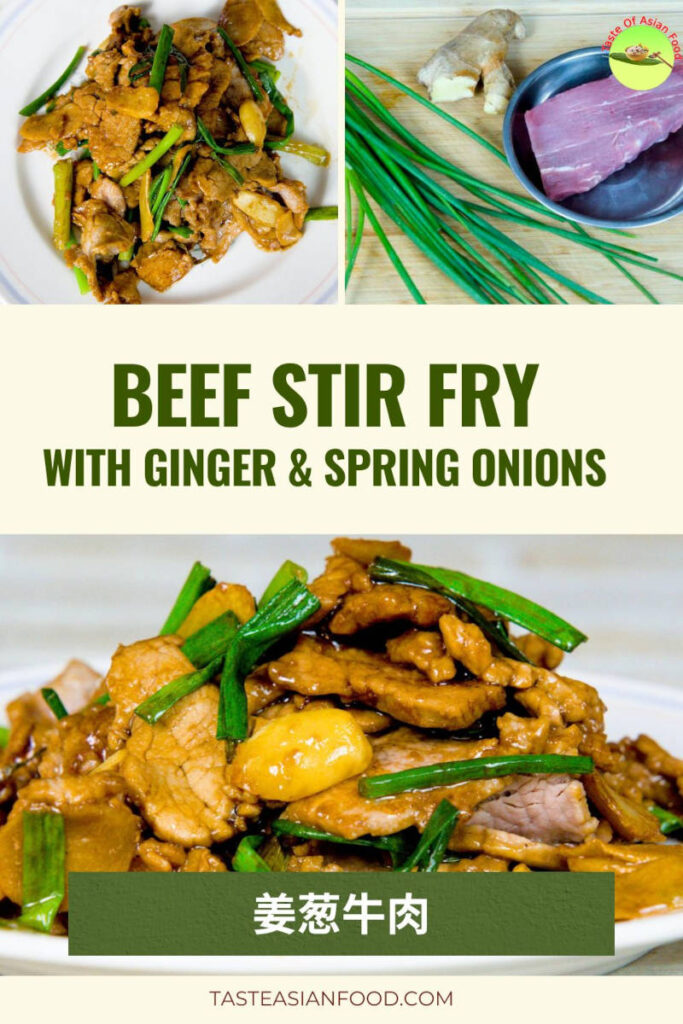
Key Factors to Make Perfect Stir-Fried Beef
Getting a stir fry to taste like something from a good restaurant is not about luck. It comes down to a few key details that control the texture, flavor, and aroma.
1. Slice the beef correctly
The first and most important step is how you slice the beef. Always cut against the grain into thin slices or strips. This shortens the muscle fibers and helps the beef stay naturally tender.
Thin slices also cook very quickly in the wok, which is what you want for stir-frying. If the beef feels too soft and difficult to slice, place it in the freezer for a while until it is slightly firm. This makes it much easier to cut into thin, even pieces.
Another benefit of slicing thinly is that the marinade can absorb faster, so you do not need to wait as long before cooking.
2. Marinate for tenderness and flavor4
Marinating the beef helps lock in moisture and gives it that smooth, tender texture. A light coating of cornstarch or another starch, such as tapioca or potato, is essential. It forms a thin layer that helps seal in the juices during cooking.
Simply combine the beef with a splash of light soy sauce, a little Shaoxing wine, a pinch of sugar, a few drops of sesame oil, and some cornstarch. Toss everything gently to coat. Let it sit for about 10 to 15 minutes.
Tip: For tougher cuts, check out my article How to Tenderize Beef for methods that make even affordable beef silky and soft.
3. Heat is everything
Stir-frying is all about high heat. The wok or pan needs to be very hot before you add the beef. If the pan is not hot enough, the meat will start to steam instead of sear, and you will miss that signature wok aroma.
If possible, use a cast-iron or carbon steel wok. Add the oil and wait until it starts to shimmer before adding the beef. If your stove is not very powerful, cook the beef in small batches to keep the heat high. Overcrowding the pan will lower the temperature and prevent proper browning, especially on a smaller stove.
Tip: A properly heated wok cooks the beef quickly and helps develop that distinct wok aroma (wok hei). This is what gives restaurant-style stir-fried dishes their signature flavor.
4. Timing matters
Beef cooks very quickly, so timing is crucial. Remove it from the wok as soon as it’s almost done, then stir-fry the aromatics. Return the beef to the pan at the end just long enough to finish cooking.
For the spring onions, add the white parts first, then the green parts at the very last moment. This keeps the green sections crisp and vibrant.
5. Balance the sauce
The sauce mainly consists of oyster sauce and light soy sauce, which form the savory base. A small pinch of sugar is usually added to balance the flavors. Some cooks like to include a little dark soy sauce for deeper color or Shaoxing wine for extra aroma, but keep these additions subtle.
The goal is a glossy sauce that lightly coats the beef without overpowering it. If the sauce seems too thin, a small cornstarch slurry can thicken it just enough. Be careful not to add too much, or it will turn gloopy.
6. Don’t forget the aromatics
Ginger and spring onions form the flavor backbone of this dish. Ginger brings warmth, while the spring onions add a subtle sweetness. You can be generous with both, as their flavors work beautifully together. Garlic is usually skipped because the ginger and scallion combination is already strong and aromatic enough.
Tip: Slice ginger thinly and cut scallions into sections. The white parts go in early, the green parts go in last. This keeps the flavor layered and bright.
Variations
This beef stir fry with ginger and spring onion recipe is very flexible. You can easily adapt it to your taste, what ingredients you have on hand, or your preferred seasonings. Here are a few ideas:
1. Change the protein – While beef is classic, you can swap it for chicken, pork, or seafood.
2. Add vegetables – Adding vegetables can make the dish more colorful and nutritious. Some of my favorites include snow peas, bok choy, bell peppers, carrots, and mushrooms.
Now it is your turn …
This beef stir fry with ginger and spring onions is simple, flavorful, and a favorite for everyone. The ingredients are easy to find in your kitchen or at a local market. Beef, ginger, spring onions, soy sauce, and oyster sauce are all common staples.
Give it a try at home. I’d love to hear how it turns out, so leave a comment and let me know.
Chinese Porridge Recipe- Lean Pork and Thousand Year Eggs
Saturday 13th of May 2017
[…] Cut the scallion into small pieces. - Marinate with light soy sauce. - Scoop a teaspoon of the marinated scallion on […]
Mongolian beef recipe- How to cook in 5 simple steps
Tuesday 14th of February 2017
[…] may not know the difference among four common Chinese dishes. These are stir fry beef with ginger and scallion (薑葱牛肉), Mongolian beef (蒙古牛肉), General Tso’s chicken (左宗棠雞) and […]
KP Kwan
Friday 3rd of June 2016
Hi, this is KP Kwan. I am happy to see you at this comment area, as you have read through my recipe. I am happy to reply any questions and comments as soon as possible.